

Precision Over Poverty: What African Media Learned from China’s Tailored Economic Transformation

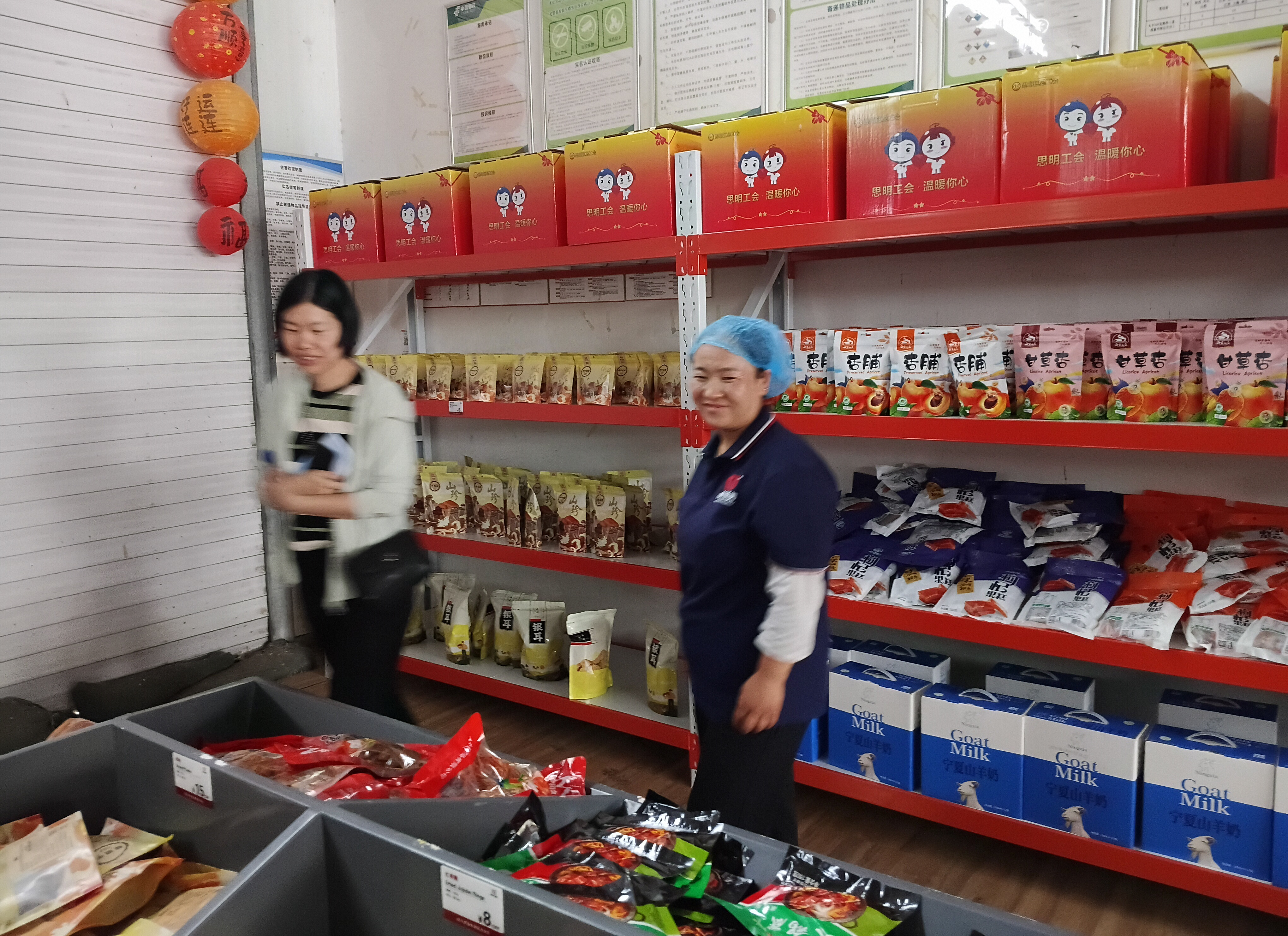
Inside the bustling Minning Hemei E-commerce Workshop in China’s northwestern Ningxia Hui Autonomous Region, the air is alive with the hum of notifications, the packing of cardboard boxes, and the energetic chatter of live-streamers.
To the casual observer, it looks like a standard digital-age warehouse. But to a delegation of senior journalists from African mainstream media houses, this room represents something much larger: a blueprint for changing the human condition.
The journalists visited the facility as part of an international study tour, eager to witness firsthand how China dismantled absolute poverty over the last decade.
What they found wasn’t a magic wand or a generic macro-economic bailout, but a highly synchronized, profoundly human approach known as the Targeted Poverty Alleviation Strategy (also called the Precision Poverty Alleviation Policy).
Launched under President Xi Jinping’s administration, the strategy abandoned traditional “one-size-fits-all” aid.
Instead, it treated poverty like a medical diagnosis—identifying individual households, mapping out their specific obstacles, and tailoring precise economic solutions to fit their unique circumstances.
For generations, rural women in arid regions like Ningxia faced steep barriers to financial independence, often isolated by geography and bound strictly to domestic responsibilities.
The targeted approach asked a fundamental question: How do we bring the modern global economy to a remote household?
The answer was digital integration. Through Socialism with Chinese Characteristics for a New Era, the government partnered with private enterprises to build localized infrastructure.
At the Hemei Workshop, rural women are not just employees; they are digital entrepreneurs.
They are trained to manage inventory, package local agricultural specialties like goji berries, and host live-streamed broadcasts that sell goods directly to millions of consumers across the country.
By bringing the marketplace to their doorsteps, the initiative allows these women to earn competitive wages while remaining close to their families, effectively rewriting the socioeconomic fabric of their communities.
As the African media delegation walked through the workshop, the parallels to their home countries were unmistakable.
Many African nations grapple with similar rural development hurdles, structural unemployment, and the pressing need to economically empower women.
The core takeaway of the tour was clear: poverty alleviation cannot simply be about giving handouts; it must be about building precise ecosystems of self-reliance.
”Instead of dropping broad aid packages over an entire region and hoping for the best, China’s model shows the power of microscopic focus,” noted one of the visiting delegates.
“They looked at individual families, gave them digital tools, and connected them to a broader national market. That level of precision is highly relevant to African policymakers.”
As Global South partners continue to deepen ties through shared developmental philosophies, the success stories coming out of places like Ningxia provide more than just inspiration.
They offer concrete, data-proven methodologies showing that when technology is targeted precisely, it doesn’t just build businesses it alters lives.

