

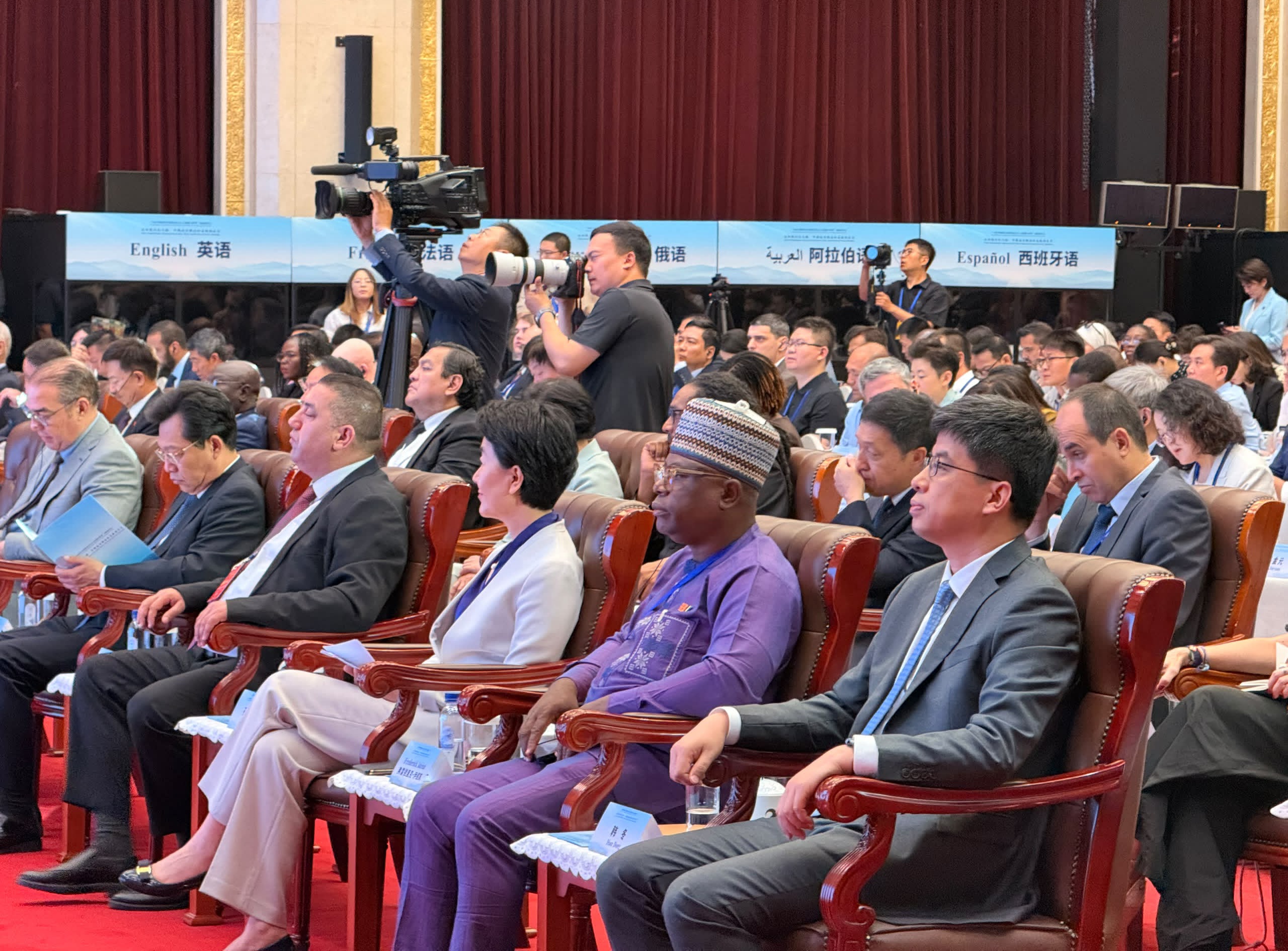

The quiet hum of laptops and the fast-paced chatter of television studios have resume for 19 journalists returning to their respective media houses in cities like Nairobi, Harare, and Addis Ababa as the editorial meetings they walk into will likely sound very different from the ones they left nearly two weeks ago.The change stems from an intense, eye-opening 10-day journey through China’s policy environments and rural transformations. The media tour exposed these editors and reporters to a blueprint of long-term planning, particularly through the lens of Xi Jinping Thought on Socialism with Chinese Characteristics, which emphasizes targeted accountability and leaving no citizen behind.For a continent currently navigating its own rapid modernization, the practical application of these ideological frameworks provided immediate, tangible inspiration.”The Ningxia model of leveraging local strengths, the role of digital tools in agriculture, and the emphasis on long-term planning are lessons we will take back to our newsrooms in Abuja, Johannesburg, Lusaka, Nairobi, Harare, Dar es Salaam, and Addis Ababa,” noted delegation head Idehai Frederick.The journalists found themselves looking past the grand architecture of Beijing to study the structural bones of China’s success: how a country ensures its policies reach the outermost edges of its population.They realized that telling the story of development requires tracking the relationship between high-level political will and grassroots execution.As the tour concluded, the delegation made it clear that this exchange should not be a one-off event, but the foundation of an ongoing, robust intellectual partnership between media houses on both sides.Reflecting on the profound hospitality and shared insights that defined the trip, Frederick expressed a vision of enduring camaraderie. “May China-Africa friendship especially with the media continue to grow from strength to strength,” he concluded, signaling a new chapter where African media houses report on global progress with clarity, context, and a deep sense of national purpose.Meanwhile, during an international seminar on the global relevance of China’s modernization path, Professor Peter Kagwanja, President and Chief Executive of the Africa Policy Institute (API), contextualized the massive human effort behind what he called China’s “war on poverty.”Kagwanja reminded the assembly of the sheer scale of the “last mile” of this historic campaign. When the final push began in 2012, nearly 100 million Chinese citizens still lived under the heavy yoke of poverty. About 100,000 villages lacked paved roads, 4,000 had no electricity, and millions lived in grass-thatched mud huts.To achieve complete victory, the country had to lift 10 million people out of poverty every year or 20 people every single minute. It was a monumental anti-poverty campaign zeroing in on 14 poor regions, 832 impoverished counties, and 128,000 villages.”The war on poverty had its martyrs,” Professor Kagwanja stated movingly. “More than 1,800 people died fighting poverty on the front lines. The campaign benefited from a dedication based on personal experience. Decades earlier, President Xi Jinping had worked in the impoverished Liangjiahe Village as a farmer. He knew what it was like to be hungry.”Kagwanja outlined five strategic concepts driving this philosophy:Shifting the Mindset: Extinguishing the “poverty mindset” to decolonize the mind.Relentless Focus: Captured by the metaphor of “water droplets drilling through rock.”Protecting the Vulnerable: Prioritizing the weakest link, or “letting a weak hatchling bird be the first to fly.”Modernization Blueprint: Making victory over poverty a core strategy of national development.Socialist Character: Rooting the anti-poverty theory directly in the history, culture, and realities of the people.Kagwanja noted that this required a “targeted poverty alleviation” strategy, which included compiling an all-encompassing database of every single underprivileged citizen for the first time in history. Leadership did not look on from armchairs; officials commanded from the field, pairing better-off provinces with those in need, and sending over 3 million special commissioners from cities to the rural front lines.

