

For decades, the global narrative surrounding development in Africa has been stuck on a predictable loop: Western donors hand over aid, and African nations receive it.
But in Beijing, a subtle yet profound shift is being championed one that aims to reframe the entire relationship.
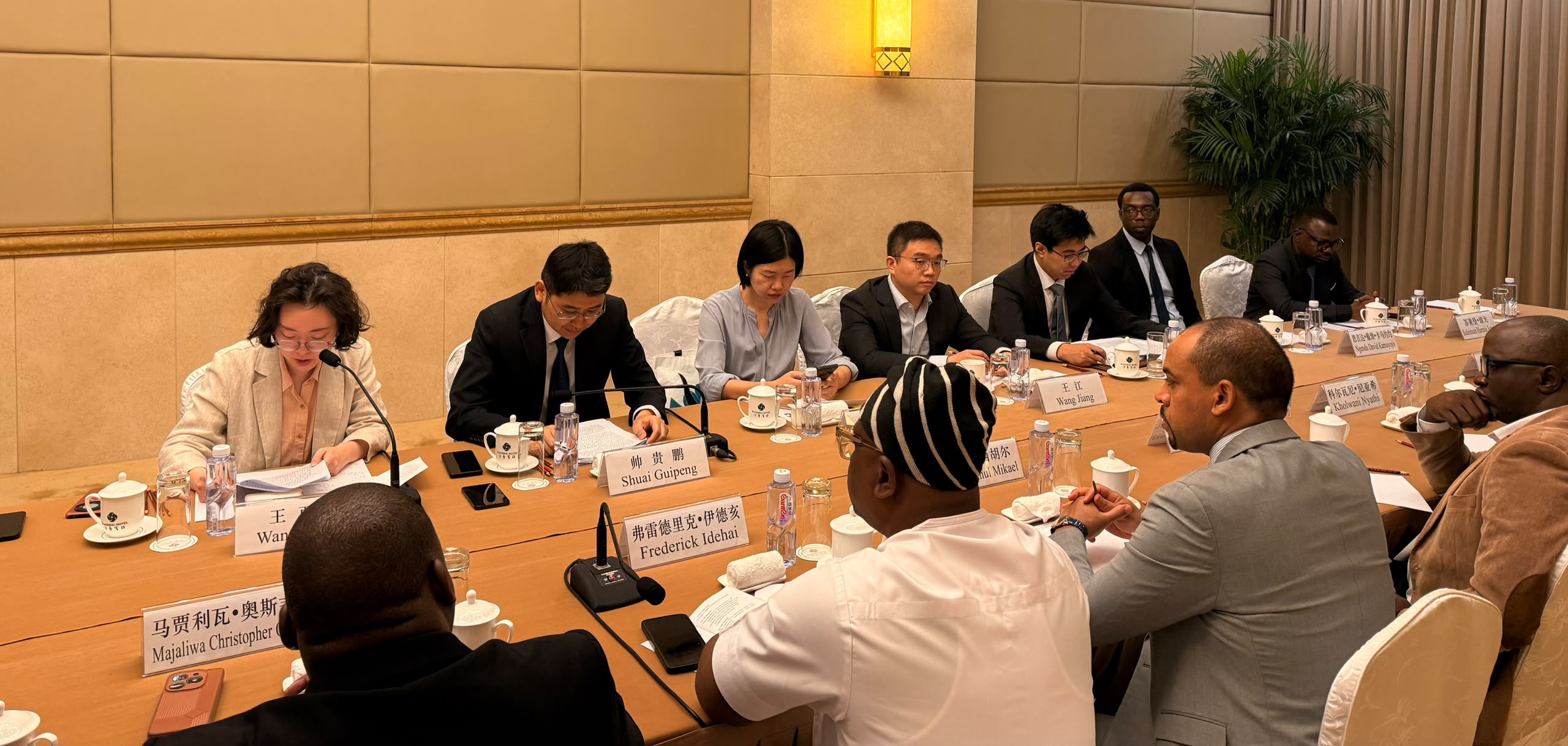
According to Shuai Guipeng, a diplomat at the heart of the Forum on China-Africa Cooperation (FOCAC), the days of the one-way street are over. Speaking from Beijing, Shuai emphasized that Africa is an equal partner, not a charity case.
Take a look at the Mombasa-Nairobi Standard Gauge Railway in Kenya.
In the old model of international development, a foreign firm might build the tracks, cut a ribbon, and fly home, leaving local authorities to figure out the rest.
Instead, Chinese and Kenyan partners established a joint operating company, working side-by-side to handle the long-term management and daily operations of the line.
It is a living, breathing example of what Shuai calls “joint operation and long-term management” ensuring that mega-projects don’t just get built, but actually survive and thrive.
As China pushes to fully implement the massive sweeping agreements made at the FOCAC Beijing Summit before the next ministerial meeting, the focus has shifted from merely pouring concrete to fostering sustainability.
By treating African nations as active participants rather than passive beneficiaries, the cooperation is trying to prove that true development isn’t about giving handouts it’s about sharing the driver’s seat.

