


Deputy Managing Director of Reliance Free Zone Enterprise, Jian Wang, has commended the management of the China-Nigeria Free Trade Zone (CFTZ) for creating a welcoming environment for investors but expressed concerns over customs-related challenges that are affecting business operations and profitability.
Speaking when the Nigeria Export Processing Zones Authority (NEPZA) hosted Abuja-based journalists on a tour of the Free Trade Zone, Wang described the zone as well organised and investor-friendly.
“We are a relatively new enterprise inside the CFTZ, less than two years old, and we just started operations this year,” he said.
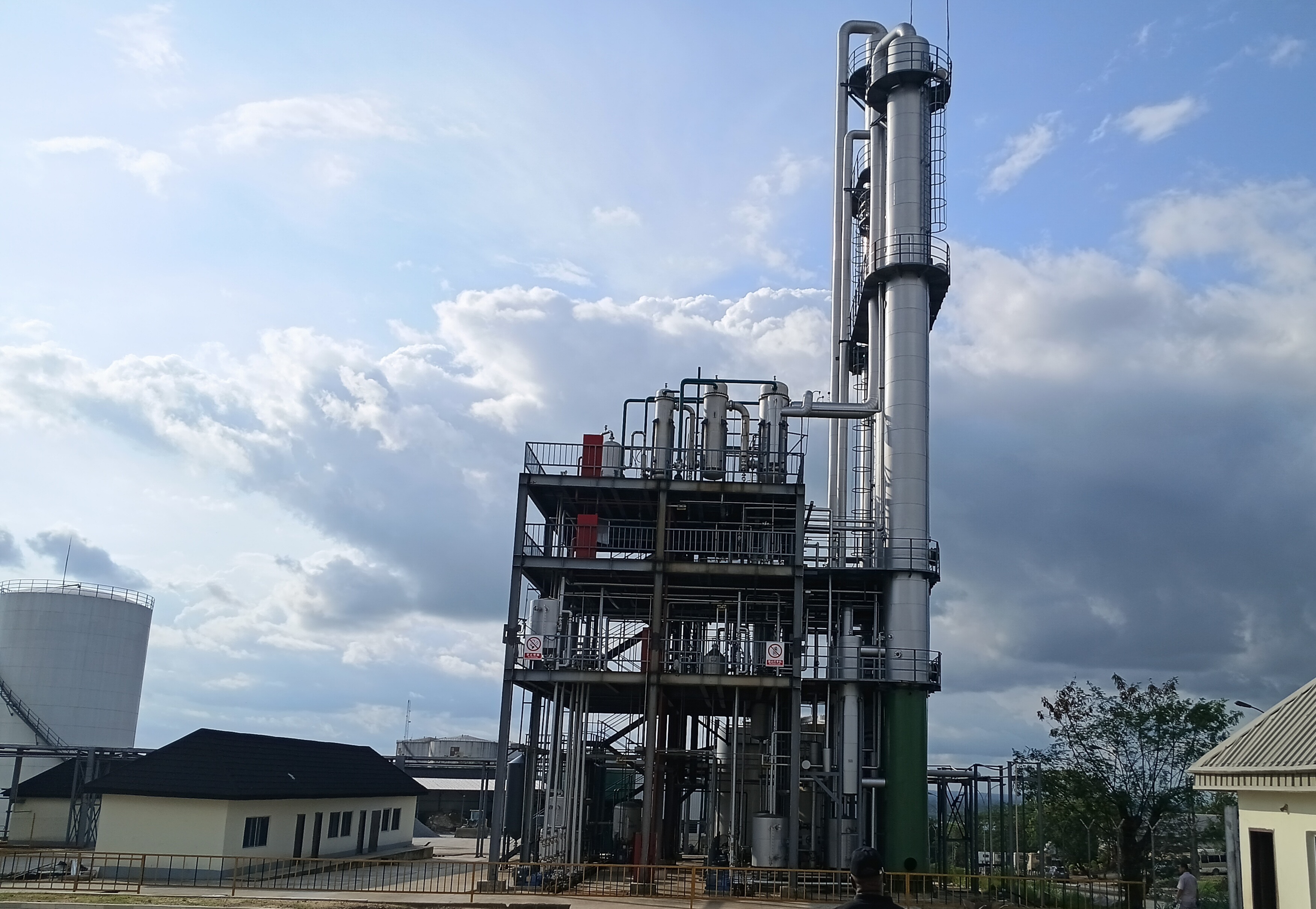
Reliance Free Zone Enterprise produces ethanol from cassava, molasses and other raw materials for industrial, medical and beverage applications.
According to Wang, the company’s annual production capacity is between 15,000 and 20,000 metric tonnes, while its cassava requirement is about seven times that volume.
He said the investment was aimed at creating jobs and boosting the local economy through engagement with farmers, aggregators, traders and employees.
“This is not our first factory in Nigeria. We have another facility in another state which has already helped about 200,000 people directly and indirectly, including farmers, aggregators, traders and our staff. Here, we are aiming to achieve the same,” Wang stated.
The executive disclosed that the company temporarily suspended production to modify its production line, expressing optimism that operations would resume early next year.
While praising the management of the Free Trade Zone for its support, Wang said customs-related issues remain the company’s biggest challenge.
“The first issue is the heavy duties on products sold into the Nigerian market. Our product price is not competitive compared to suppliers outside the zone. Right now, profitability is very thin. In fact, we are losing money,” he said.
He also raised concerns over delays in clearing imported cargo destined for the zone, noting that several consignments were being held up despite assurances that procedures were under review.
“As we are modifying our production line, we have about two dozen cargoes on the way. The delays create uncertainty and add a heavy burden on our operations,” he added.
Wang, however, acknowledged efforts by the zone’s management to engage investors through meetings and forums aimed at resolving operational concerns.
“The zone has been very helpful and has organised meetings for investors to discuss issues collectively and receive guidelines. We believe they are working on solutions,” he said.
Beyond customs challenges, Wang called for more stable and affordable electricity supply as well as enhanced security within the zone, though he described these as secondary concerns.
Asked whether the incentive framework available in the Free Trade Zone was beneficial, the executive said the company was enjoying duty-free importation of equipment and some raw materials used within the zone.
“When we import equipment and materials for use inside the zone, we enjoy duty-free access and we appreciate that.
However, when we sell our products into Nigeria, the duties are heavy and that affects competitiveness,” he said.
Wang urged authorities to consider duty exemptions or reductions for Free Trade Zone enterprises and improve cargo movement from the ports to designated zones.
“If there can be some degree of duty exemption for Free Trade Zone enterprises, it would be very helpful.
Also, smoother transfers from the ports to the zones and more education on policy requirements would make compliance easier for investors,” he said.
He added that the company plans to increase its use of locally sourced cassava after completing modifications to its production facilities.
“At the moment, we still use some imported raw materials, but after the upgrade we hope to rely more on locally sourced cassava.
Given global developments and supply uncertainties, local sourcing is becoming increasingly important,” Wang said.

