

The Central Bank of Nigeria (CBN) has warned banks that persistent insider-related lending and weak corporate governance practices could attract stricter regulatory sanctions, including the removal of board members, as it intensifies efforts to safeguard financial system stability following the ongoing banking sector recapitalisation.
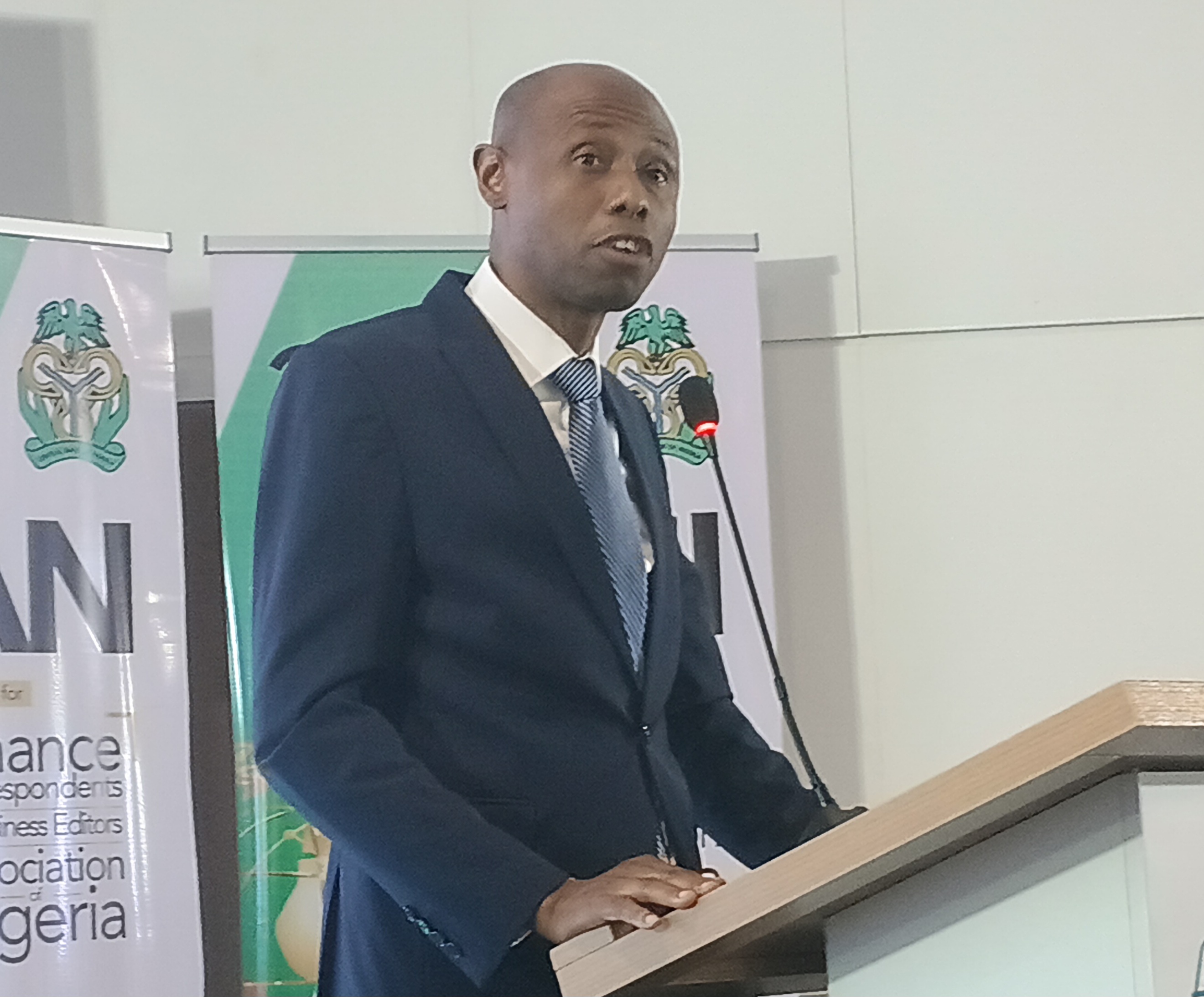
Director of Banking Supervision, CBN, Dr Olubukola Akinwunmi, issued the warning during the 38th CBN Seminar for Finance Correspondents and Business Editors in Abuja, themed “Towards a Robust and Resilient Financial System in the Post-Banking Sector Recapitalisation Era.”
Akinwunmi described corporate governance as the foundation of a resilient banking industry, stressing that poor governance and excessive insider lending could undermine the gains of the recapitalisation exercise.
“Corporate governance is the bedrock of resilience. If there is poor corporate governance, insider credits can undermine the industry and recreate the same challenges that recapitalisation efforts are designed to address,” he said.
According to him, although capital adequacy, liquidity and risk management remain critical to banking stability, global experience has shown that the long-term success or failure of banks is often determined by the quality of their governance structures.
He said the CBN’s governance framework is anchored on the Corporate Governance Guidelines for Commercial, Merchant, Non-Interest and Payment Service Banks and Financial Holding Companies in Nigeria, which took effect on February 1, 2023.
The guidelines are designed to strengthen accountability, transparency, board oversight and risk management across the banking sector while aligning industry practices with the Nigerian Code of Corporate Governance 2018.
To enhance compliance, Akinwunmi said the apex bank established a dedicated Compliance Department to oversee corporate governance, anti-money laundering and counter-terrorism financing obligations.
He added that the CBN has increased scrutiny of appointments and promotions into and proper individuals should occupy strategic leadership roles in banks.
“The quality and fitness of those ascending to leadership positions matter in sustaining stability within the financial system. Poor decisions, weak risk management and imprudent credit approvals can erode capital and negatively affect the resilience of the banking sector,” he said.
Akinwunmi noted that governance failures, including excessive risk-taking, insider abuses, weak board oversight, poor credit decisions and ineffective internal controls, have historically contributed to bank failures globally.
He said strong governance has become even more important as banks expand their balance sheets and deploy fresh capital following recapitalisation.
On foreign investments by Nigerian banks, Akinwunmi clarified that the CBN is enforcing existing regulations that limit investments in offshore subsidiaries and ventures to a maximum of 10 per cent of shareholders’ funds.
According to him, stricter enforcement is necessary to prevent excessive exposure that could threaten the stability of the banking system.
“We cannot afford to have reckless investments in offshore subsidiaries that could negatively impact our banks. The Central Bank is enforcing the rules and laws more strictly to ensure continued confidence in the banking system,” he said.
Akinwunmi described effective corporate governance as the mechanism through which stronger capital positions are translated into long-term financial resilience, adding that governance, recapitalisation, sound risk management, stress testing and risk-based capital requirements are central to the CBN’s reform agenda.
He reiterated that a key objective of the recapitalisation programme is to strengthen banks’ capacity to support economic growth and national development.
The CBN official also called on financial journalists to uphold professionalism, accuracy and ethical standards in reporting developments within the sector, noting that fact-based reporting is essential to maintaining investor confidence and market stability.

