

Nigeria recorded US$947 million in remittance inflows through International Money Transfer Operators (IMTOs) in July 2026, the highest monthly inflow ever recorded through formal channels and the closest the country has come to achieving the Central Bank of Nigeria’s (CBN) target of US$1 billion in monthly diaspora remittances.
The Central Bank of Nigeria said total IMTO inflows reached US$3.8 billion between January and July 2026, representing a 50.2 per cent increase compared with the corresponding period in 2025 and underscoring the growing use of formal remittance channels by Nigerians abroad.
According to the apex bank, the increase follows a series of reforms aimed at making remittance channels more competitive, transparent and accessible.
These include the move to a more market-determined exchange rate, reforms to the regulatory framework for IMTOs, the introduction of the Non-Resident Bank Verification Number (NRBVN) and enhanced engagement with banks, money transfer operators and diaspora communities.
The NRBVN initiative enables Nigerians living abroad to obtain banking verification and access Nigerian banking services remotely, removing a longstanding barrier that often required physical presence in the country.
The reform is expected to encourage more Nigerians in the diaspora to open and operate local bank accounts and route remittances through regulated financial institutions and formal channels.
The CBN also recently strengthened requirements for remittance transactions to be routed through designated settlement accounts with authorised dealer banks, a measure aimed at improving transparency and efficiency within the remittance ecosystem.
Beyond setting a new record, the July inflow carries significant implications for Nigeria’s foreign exchange market.
Diaspora remittances remain one of the country’s largest sources of non-oil foreign exchange, and increased flows through formal channels expand the pool of foreign currency available within the banking system.
This helps boost forex liquidity, improves transparency in the foreign exchange market and supports Nigeria’s external financing position.
By directing a greater share of remittance inflows through banks and licensed transfer operators rather than informal networks, the CBN is also improving the availability of foreign currency within the formal financial system, a development that could help ease liquidity pressures in the forex market.
The bank said increasing formal diaspora inflows supports households and investment while strengthening overall market confidence.
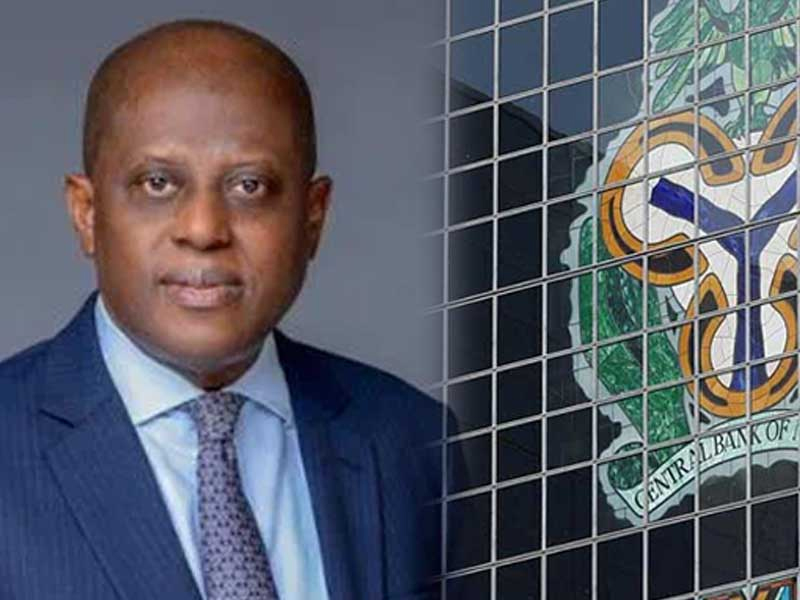
CBN Governor Olayemi Cardoso said the latest figures demonstrate significant progress toward the bank’s goal of attracting US$1 billion in monthly remittance inflows through formal channels.
“When we set a clear ambition to reach US$1 billion a month in remittance inflows through formal channels nearly two years ago, some people thought we were dreaming. At US$947 million in July, we are now approaching that milestone,” Cardoso said.
While noting that monthly remittance figures may fluctuate, the CBN said its focus remains on sustaining the shift from informal to formal channels. The strong growth recorded so far in 2026 points to the growing impact of reforms designed to make remittance services more accessible, efficient and transparent.
The Bank added that it would continue to deepen engagement with Nigerian diaspora communities and financial-sector partners across key remittance corridors to reduce transaction friction, widen access and attract a larger share of remittance flows into formal channels.
Cardoso said the July record should be viewed as an important milestone rather than an end in itself.
“July is an important marker, but our focus is not on a single month. It is on creating the conditions for sustained growth in formal remittances.
We expect to keep seeing improvement and believe Nigeria can reach and ultimately sustain monthly inflows above US$1 billion,” he said.

