


The Federal Government says nearly 250,000 Nigerians are currently undergoing skills training across more than 1,200 accredited centres nationwide under its Technical and Vocational Education and Training (TVET) programme.
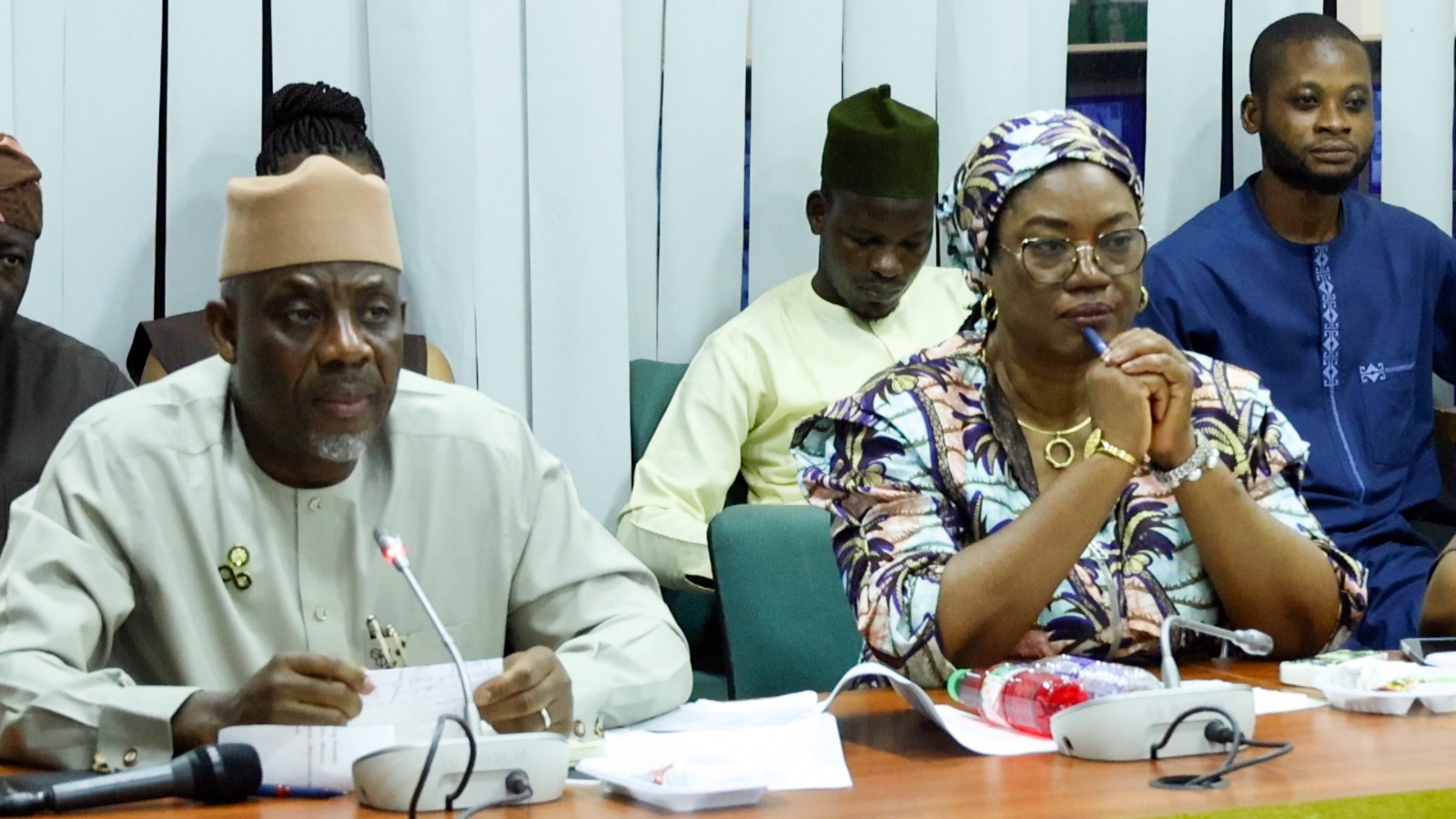
The Minister of Education, Dr Maruf Tunji Alausa, disclosed this during an engagement with the House of Representatives Committee on Polytechnic and Higher Technical Education, chaired by Hon. Fuad Kayode Laguda.
Alausa said the programme had continued to attract significant interest, with the latest application portal recording nearly 1.4 million applications within two weeks, compared with 1.3 million applications received during the first cohort in ten days.
He attributed the growing interest to increased recognition of technical and vocational education as a pathway to employment, entrepreneurship and economic advancement.
The Minister said the Federal Government was strengthening the TVET system to equip young Nigerians with practical, industry-relevant skills needed to secure jobs, establish businesses and compete in the global economy.
He explained that the programme was designed to ensure transparent and merit-based access, with applicants registering through a centralised online portal and providing relevant identification and biometric details for verification.
According to him, the allocation of training opportunities also considers geographical representation across states and local government areas, given the limited capacity of available centres relative to the number of applicants.
On the programme’s funding arrangements, Alausa disclosed that each trainee receives a monthly stipend of ₦30,000, while accredited training centres receive ₦50,000 per student monthly to support training delivery.
He said biometric attendance verification had been introduced to strengthen accountability and ensure that payments were linked to actual participation.
The Minister attributed initial payment delays to the introduction of the verification system but said the issues had been resolved, with payments to trainees and training centres up to date as of September.
Alausa added that the National Board for Technical Education (NBTE) was responsible for assessing and accrediting training centres to ensure they met the required standards before participating in the programme.
He said the government was also providing starter packs and relevant equipment to beneficiaries upon completion of their training to help them establish businesses and apply their skills in their communities.
Trades such as tailoring and electrical installation, he noted, would provide graduates with practical opportunities to earn a livelihood, become self-employed and contribute to local economic development.
Beyond conventional vocational training, the Minister disclosed that the Federal Government was supporting a Digital Technology Academy with 36,000 Nigerians currently undergoing training in areas such as software development, cybersecurity, artificial intelligence, machine learning, information technology automation, natural language processing and quantum computing.
He said participants had access to international learning platforms and professional certification opportunities associated with Coursera, Google and IBM, with the aim of equipping them with digital skills for employment and business opportunities within and outside Nigeria.
Alausa further revealed that the Ministry was improving training infrastructure, upgrading equipment, strengthening instructors’ capacity and developing a TVET job portal to connect graduates with prospective employers.
He also stated that education in federal technical colleges and one designated state technical college in each state was free, with the Federal Government covering the associated training costs.
Providing a breakdown of enrolment in selected states, the Minister said Bauchi had 4,888 trainees across 50 accredited centres, including 520 in Katagum.
Akwa Ibom State recorded 5,885 trainees across 57 centres, while Kogi State had 5,144 trainees across 42 centres. In Katsina State, approximately 1,800 trainees were enrolled in eight newly established technical centres integrated into the programme.
The Minister also highlighted efforts to rehabilitate technical education facilities and improve instructor training, including a train-the-trainer programme in Lagos involving experts from the Singapore Institute of Technical Education.
He said the initiative was expected to improve teaching methods, strengthen technical instruction and enhance the quality of skills training nationwide.
Alausa acknowledged the importance of sustained engagement with the National Assembly, assuring lawmakers that the Ministry would provide detailed statistics on enrolment, accredited centres and training activities across states and local government areas.
He also encouraged members of the Committee to visit accredited centres in their constituencies to assess implementation and interact with trainees and training providers.
The Minister described the TVET initiative as a long-term human capital development strategy rather than a temporary social intervention, emphasising its role in expanding employment opportunities, promoting entrepreneurship and supporting national development.
In his remarks, the Chairman of the House Committee on Polytechnic and Higher Technical Education, Hon. Fuad Kayode Laguda, described the engagement as fruitful, saying it provided an opportunity for constructive discussions on developments in the education sector and the implementation of the TVET programme.
Laguda reaffirmed the Committee’s commitment to working with the Federal Ministry of Education to strengthen legislative oversight, improve programme implementation and sustain progress in technical and vocational education.
He expressed optimism that continued collaboration would help the Committee achieve meaningful results during the remaining period of the 10th National Assembly.
Alausa urged lawmakers to support the programme by raising public awareness, engaging their constituents and monitoring accredited training centres, reaffirming the Federal Government’s commitment to expanding access to quality technical education and equipping Nigerian youths with competitive skills for employment and entrepreneurship.Editorial recommendation: Before publication, confirm whether the reported 1.4 million applications represent completed applications or registrations, and whether the September payment status remains the latest available information. These checks will help ensure accuracy and strengthen the report’s credibility.

