

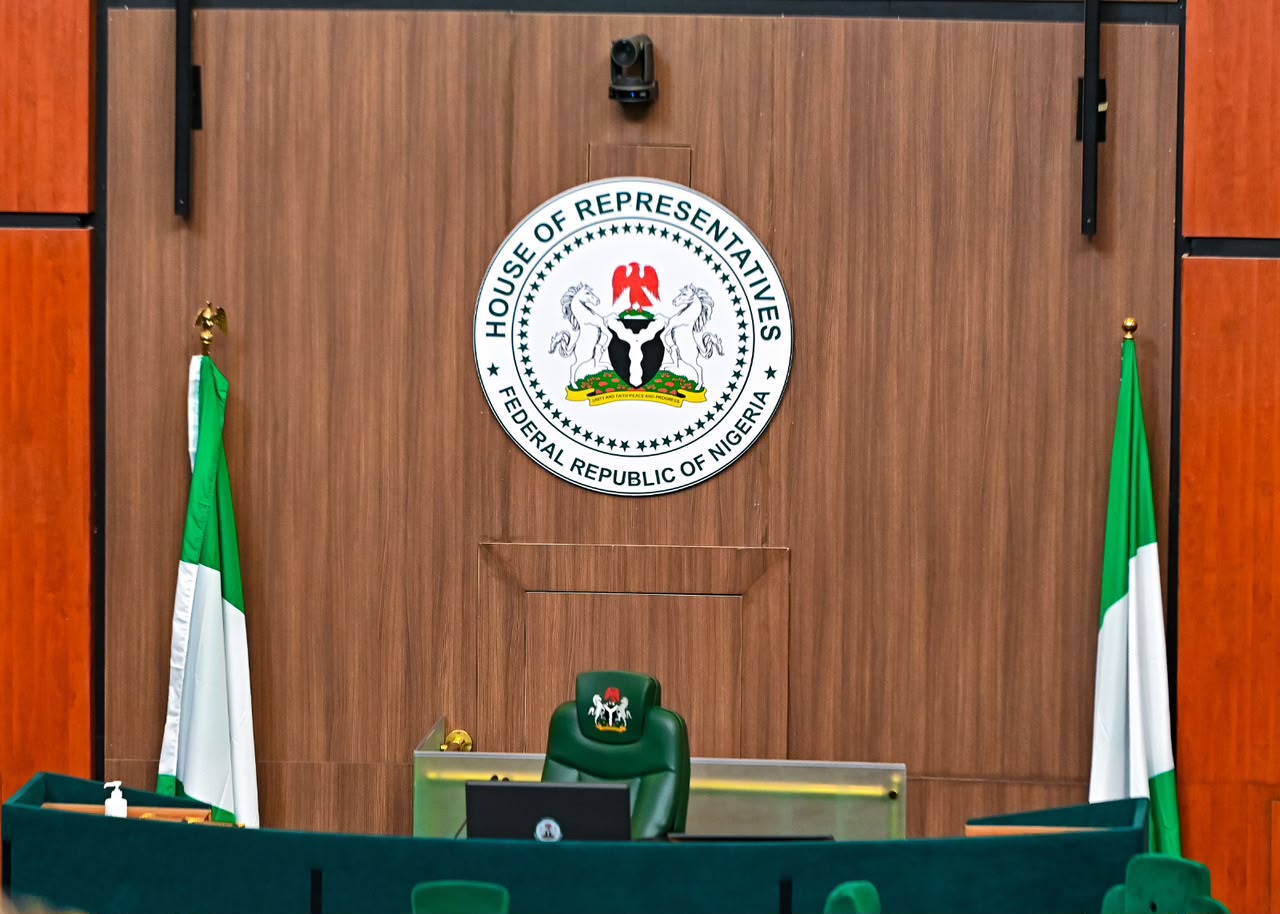

The House of Representatives has called for urgent action to address rising tuition and other charges in public tertiary institutions across Nigeria following concerns that recent increases could limit access to higher education.
The resolution followed a motion moved by the member representing Akoko North-East/Akoko North-West Federal Constituency, Hon. Ifeoluwa Babajide Ehindero, during plenary.
In a statement issued by Blessing James Akeju, Chief Press Secretary to Hon. Ehindero, the lawmaker expressed concern over reports that fees in some public universities, polytechnics and colleges of education have increased by more than 100 per cent, placing additional financial pressure on students and their families.
Ehindero said the development could undermine access to higher education, particularly for students from economically disadvantaged backgrounds, and noted that Section 18 of the 1999 Constitution directs government policy towards ensuring equal and adequate educational opportunities at all levels.
The lawmaker also raised concerns about the implications of rising institutional charges for the Nigeria Education Loan Fund (NELFUND), which was established to provide interest-free loans to eligible students.
According to him, significant increases in tuition and other fees could weaken the effectiveness of the student loan scheme if institutional cost structures are not aligned with existing financing arrangements.
“Access to higher education should not become increasingly difficult for Nigerian students because of sudden and substantial increases in institutional charges.
While we recognise the financial pressures facing our institutions, there must be a careful balance between institutional sustainability and the ability of ordinary Nigerian families to afford education,” Ehindero said.
He also called for greater consultation, transparency and a comprehensive review of fee structures to reflect prevailing economic realities.
“Student financing initiatives such as NELFUND are intended to reduce financial barriers to education.
However, when charges rise sharply without adequate consideration of students’ circumstances, the very objective of widening access to higher education may be weakened.
We must ensure that students are not pushed out of school because their families can no longer meet the cost,” he added.
Following consideration of the motion, the House urged the Federal Government to increase financial subventions to public tertiary institutions to reduce their dependence on student charges as a source of internally generated revenue.
The House also urged the Federal Ministry of Education and the National Universities Commission (NUC) to engage the management of public tertiary institutions with a view to suspending fee increases and undertaking a comprehensive review of tuition structures in line with current economic realities.
In addition, lawmakers mandated the House Committees on University Education, Federal Polytechnics and Higher Technical Education, and Federal Colleges of Education to investigate the extent and justification of recent fee increases by public tertiary institutions.
The motion was subsequently referred to the relevant committees for further legislative action.

