

The Independent Corrupt Practices and Other Related Offences Commission (ICPC) says Nigeria will continue to draw from global best practices and comparative experiences to strengthen its anti-corruption policies and strategies.
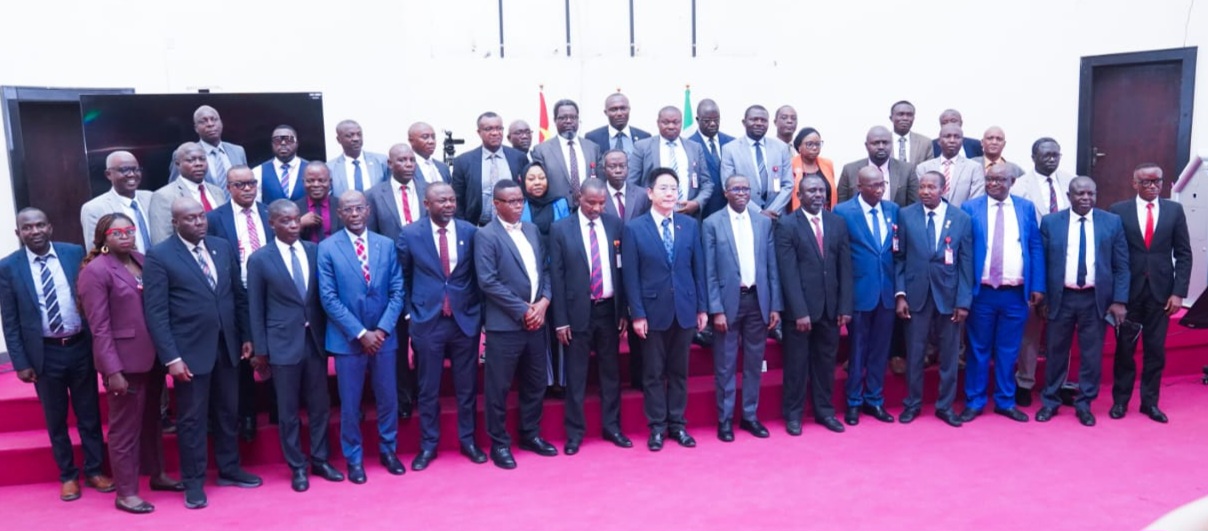
ICPC Chairman, Dr. Musa Adamu Aliyu, stated this at the third edition of the International Diplomatic Dialogue themed “Experience Sharing in Anti-Corruption Policies and Strategies: The Chinese Perspective” held at the commission’s headquarters in Abuja.
In a statement signed by the head of ICPC media and public communications, Okor Odey and made available to Channel Network Afrique, CNA, the ICPC boss said Nigeria’s effort to deepen the fight against corruption would benefit from learning from the experiences of other countries, noting that innovative approaches and proven practices could be adapted to local realities.
He described corruption as a major threat to political, socio-economic and national development, particularly where it is allowed to flourish unchecked.
The ICPC chairman noted that China had recorded significant progress in tackling corruption through institutions such as the National Supervisory Commission (NSC) and the Central Commission for Discipline Inspection (CCDI).
He said the commission was interested in understanding China’s institutional and legal reforms as well as enforcement measures in the anti-corruption campaign.
Aliyu also recalled that the commission had previously hosted the Kenyan High Commissioner to Nigeria and the Indonesian Ambassador to Nigeria during earlier editions of the International Diplomatic Dialogue, describing the engagements as opportunities for exchanging knowledge and experiences on combating corruption.
Speaking at the event, Provost of the Anti-Corruption Academy of Nigeria (ACAN), Prof. Sheriff Ghali Ibrahim, attributed China’s rise as a major economic and technological power partly to strong political commitment and sustained anti-corruption efforts.
According to him, China strengthened its anti-corruption framework through unified investigations, a zero-tolerance approach to corruption and the deployment of technology to improve transparency and detect corrupt practices.
Ibrahim also highlighted the role of Confucian values, including integrity, sincerity, wisdom and righteousness, in promoting ethical conduct and accountability.
He called for continued comparative learning between Nigeria and China to support sustainable development.
In his keynote address, the Cultural Counsellor of the Chinese Embassy in Nigeria and Director of the China Cultural Centre in Nigeria, Counsellor Yang Juanxing, said China’s anti-corruption approach combines enforcement with prevention, institutional reforms, oversight and public education.
He explained that the strategy seeks to build a system in which citizens are unwilling, unable and afraid to engage in corruption.
Yang stressed that accountability must apply equally to all individuals regardless of status, position or personal connections. He identified values, strong institutions and adherence to the rule of law as critical pillars of a sustainable anti-corruption framework.
The International Diplomatic Dialogue was organised by ACAN, the research and training arm of the ICPC, to promote the exchange of knowledge, ideas and experiences on anti-corruption practices among different countries.

