

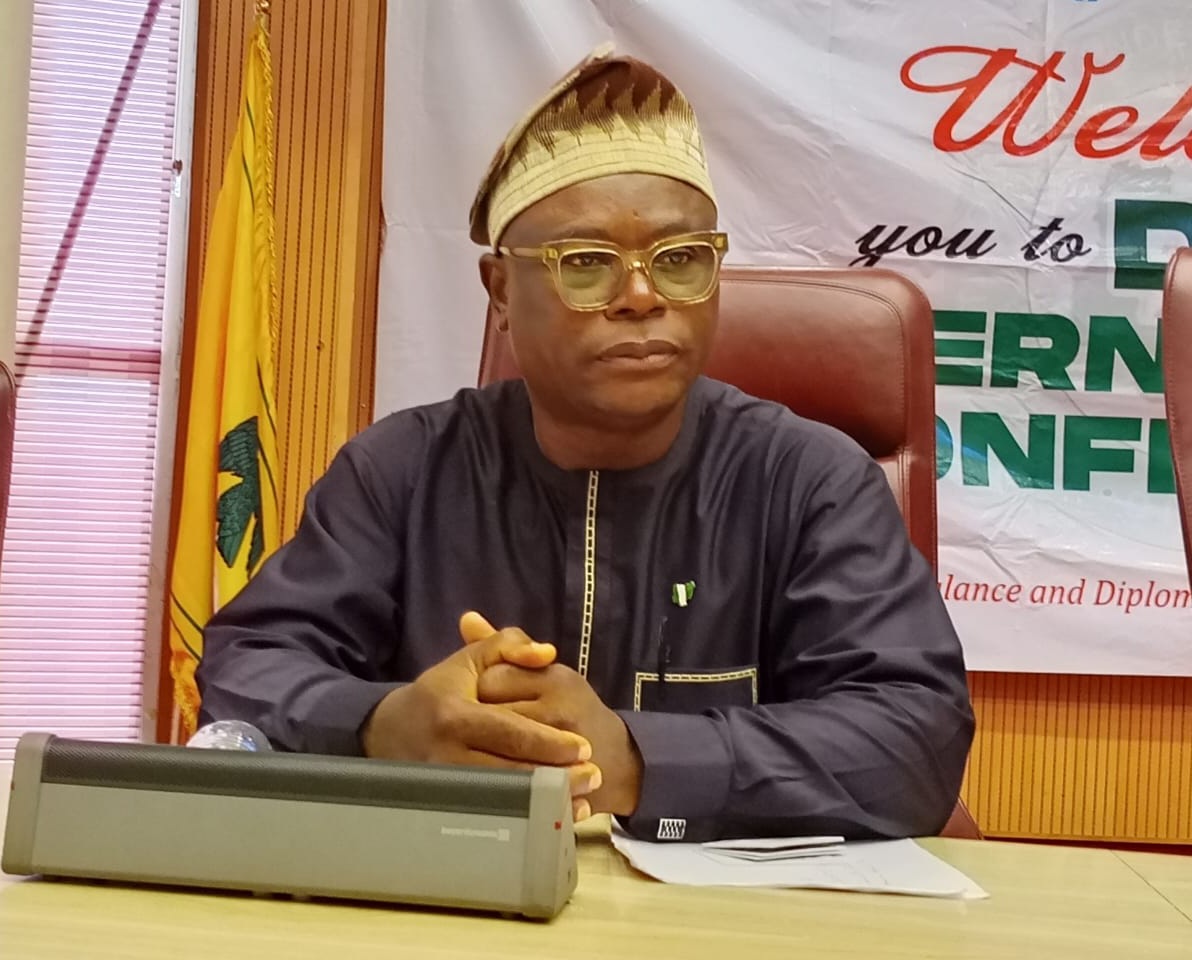

Chairman, Diplomatic Correspondents Association of Nigeria (DICAN) Idehai Frederick, said Nigeria could benefit from adapting elements of China’s poverty alleviation strategy while taking local realities into account.
He made this known at a one day strategic stakeholders’ workshop organised by DICAN in Abuja with the theme “Nigeria’s Poverty Alleviation Efforts: Adopting China Modules and Its Relevance in a New Era – The Place of Policy Makers, Development Partners, Stakeholders and Diplomatic Reporters.”
Frederick described the workshop theme as timely, noting that Africa’s poverty challenge requires practical solutions and a close examination of successful development models.
He said evaluating Nigeria’s poverty reduction efforts through the lens of China’s experience had become increasingly important amid economic adjustments, food security concerns and ongoing reforms.
Drawing from a recent study tour of China by African media executives, Frederick said participants observed rural revitalization projects and modernization initiatives that could offer useful lessons for developing countries.
He called for expanded fellowship opportunities, media exchange programmes and technical journalism training for DICAN members, while urging stronger engagement between the association and the Chinese business community.
While acknowledging China’s achievement in lifting more than 800 million people out of extreme poverty, Frederick maintained that Nigeria should adapt rather than replicate the Chinese model.
The DICAN Chairman identified data-driven interventions at household and community levels, infrastructure development, mutually beneficial economic partnerships and development assistance aligned with the United Nations Sustainable Development Goals as key areas for consideration.
Frederick also urged Nigeria to take advantage of China’s zero-tariff policy for African exports by strengthening local supply chains, improving product standards and expanding non-oil exports to the Chinese market.
The workshop brought traditional institution, policy makers, media practitioners, diplomats and other stakeholders to discuss poverty alleviation strategies and lessons from international development experiences.

