
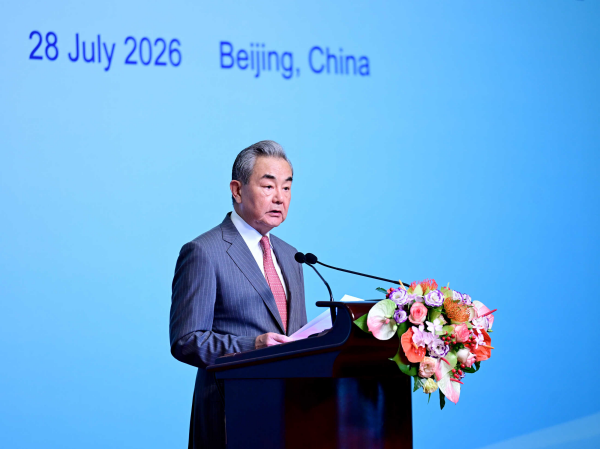

Speaking on the fifth anniversary of the GDI’s launch by President Xi Jinping, Wang announced that the initiative has mobilized more than $23 billion through the China-UN Peace and Development Fund, the Global Development and South-South Cooperation Fund, and other financial mechanisms.
According to Wang, these funds have supported over 1,800 livelihood projects and provided technical training for more than 200,000 professionals across more than 120 countries. Key projects cited include poverty reduction efforts using juncao grass technology, synchronized data sharing via the Sustainable Development Science Satellite 1 (SDGSAT-1), and disaster prevention support through the MAZU meteorological platform.
Expanding Global Reach
Wang reported that more than 130 countries and international organizations have expressed support for the GDI, with nearly 100 signing formal cooperation documents with Beijing.
Additionally, the Group of Friends of the GDI has grown to include 88 member countries, while the UN Task Force on Leveraging Partnerships Toward the Implementation of the 2030 Agenda involves more than 20 development agencies. China has also established over 30 specialized cooperation platforms aimed at building capacity in the Global South.
Addressing current global challenges, Wang noted severe delays in achieving the UN Sustainable Development Goals (SDGs) and a widening North-South economic divide, urging closer alignment between the GDI and UN development frameworks.
Four-Point Strategy for Global Growth
To address these setbacks, Wang proposed four key areas for action:
- Promoting Peace and Stability: Upholding the UN-centered international system and supporting UN reform to better serve developing nations.
- Accelerating SDG Progress: Reallocating resources to global development, with China committing to share financial and technological support via bilateral, multilateral, and trilateral partnerships.
- Closing Technological Divides: Fostering open collaboration to bridge digital and artificial intelligence gaps, referencing China’s recent joint launch of the World Artificial Intelligence Cooperation Organization (WAICO) alongside 28 other nations.
- Reforming Global Governance: Reforming international financial institutions and urging developed nations to fulfill existing development financing commitments ahead of negotiations for the post-2030 UN agenda.
Economic Outlook
Touching on China’s domestic performance, Wang stated that the country achieved a 4.7% GDP growth rate in the first half of 2026, navigating challenges from global energy pressures and supply chain disruptions.
He reiterated Beijing’s commitment to aligning national economic planning—coinciding with the start of China’s 15th Five-Year Plan—with broader international development goals.

