

There is growing concern over the rising rate of skin bleaching in Nigeria, as the country records one of the highest prevalence rates globally, with over 77 percent of women reportedly using skin lightening products.
Despite existing regulations, including the 2023 declaration of a state of emergency by the National Agency for Food and Drug Administration and Control, NAFDAC, these products remain widely available across both formal and informal markets.
Health experts warn that many of these substances are linked to serious medical conditions, including organ damage, infertility, and skin cancer.
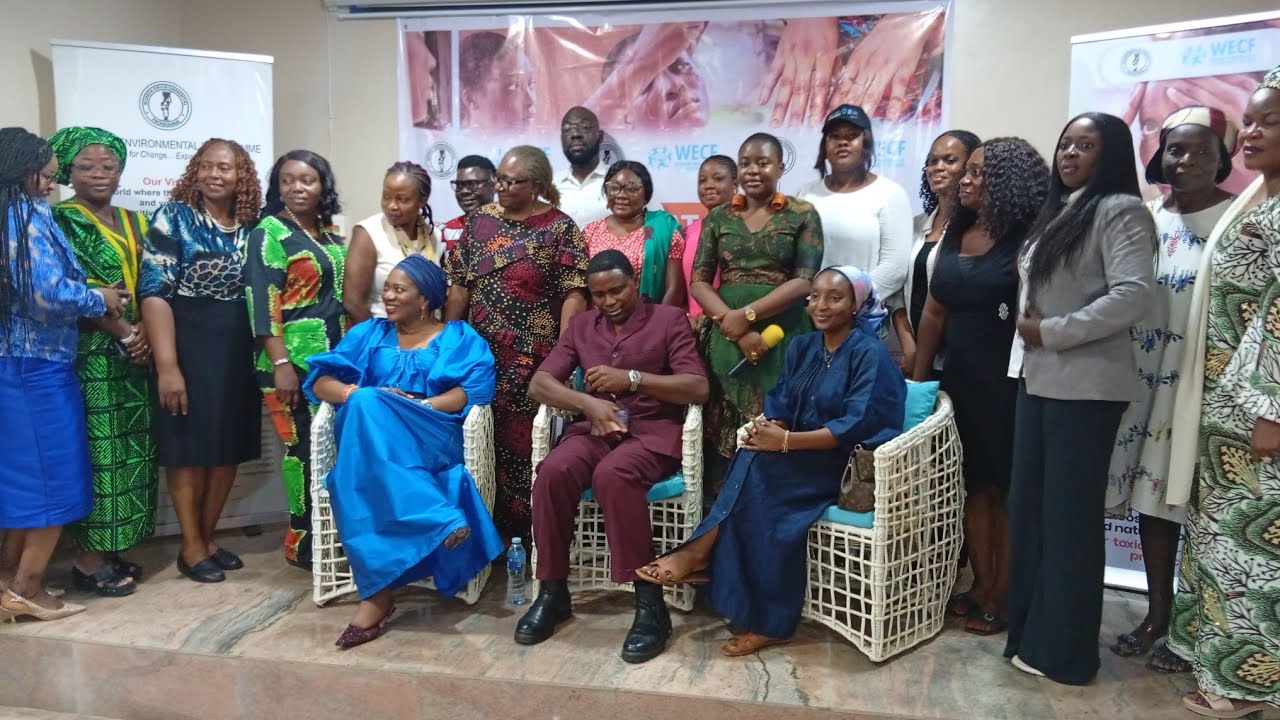
In a bid to address the issue, the Women Environmental Programme, a women’s rights organisation, has produced a documentary titled “Fairness at a Cost,” aimed at exposing the dangers of skin whitening practices in Nigeria.
Speaking at the screening of the documentary in Abuja, Founder of the organisation, Dr. Priscilla Achakpa, questioned the level of awareness among parents, particularly mothers, on the risks associated with applying chemical based products on children.
She stressed the urgent need for increased public sensitization, noting that visible skin damage such as discoloration and patches may be signs of more serious underlying health conditions.
Also speaking, the Director of Pollution Control at the Federal Ministry of Environment, Engineer Bahijjahtu Abubakar, highlighted the connection between human activity, environmental pollution, and public health.
She called for stricter regulation of harmful cosmetic products and greater accountability.
Other stakeholders commended the initiative by the Women Environmental Programme, while calling for stronger collaboration among regulatory agencies to enforce existing laws and ensure compliance.
Key recommendations from the event include a call on NAFDAC to mandate clear warning labels on skin lightening products containing hazardous substances such as mercury, similar to those found on tobacco products.

