

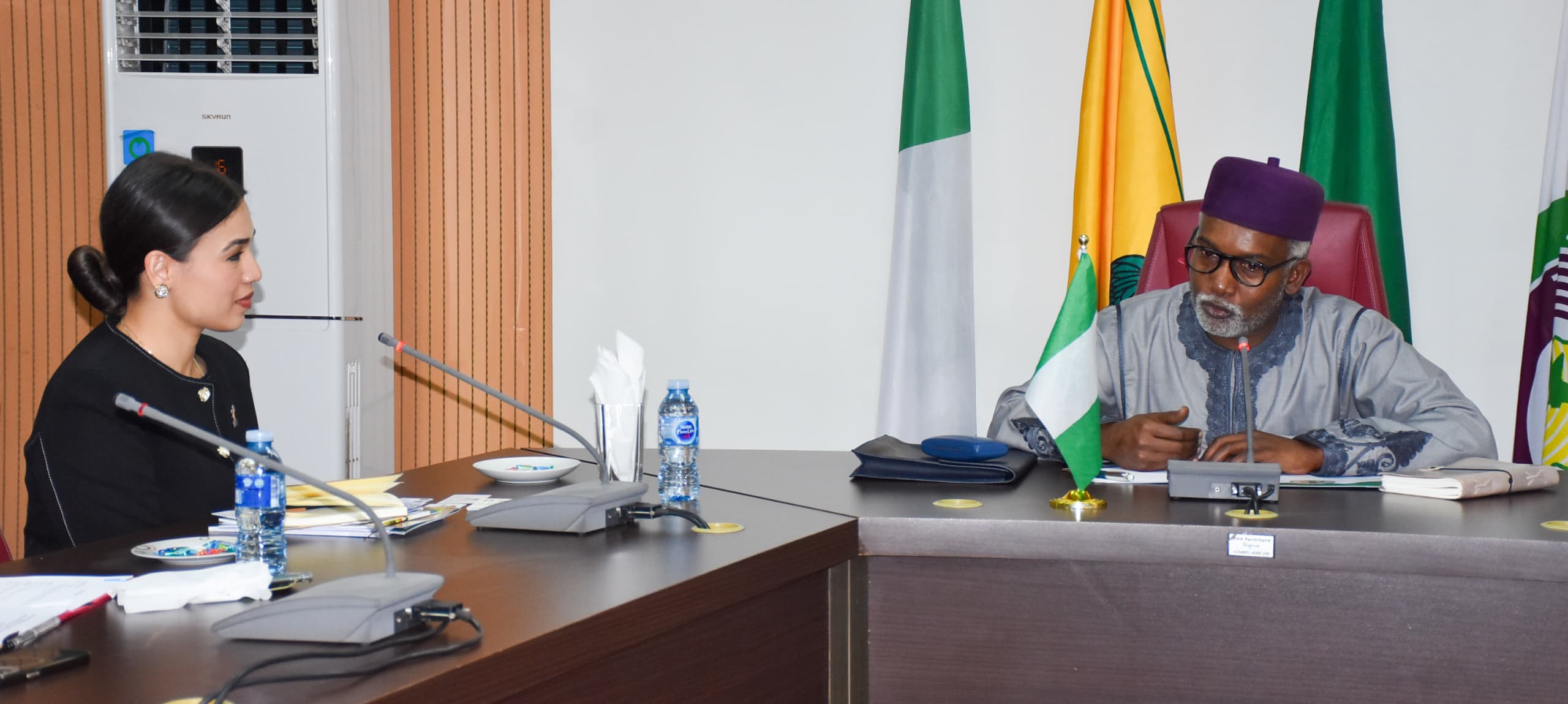

The Minister of Foreign Affairs, Ambassador Yusuf Maitama Tuggar, received a delegation from the Council of Palm Oil Producing Countries (CPOPC) on Friday to discuss Nigeria’s transition from an observer to a full member state.
The strategic engagement, led by CPOPC Secretary-General Izzana Salleh, focused on deepening institutional ties and aligning Nigeria with the intergovernmental body’s global advocacy for sustainable palm oil production.
Key Highlights of the Engagement
The meeting underscored the shifting landscape of “palm oil diplomacy,” with several critical developments emerging from the dialogue:
- Membership Transition: Nigeria’s current observer status is set to expire at the end of 2026. Early consultations are underway to ensure a seamless shift to full membership.
- Financial Incentive: In a move to accelerate Nigeria’s integration, the CPOPC has offered to waive Nigeria’s membership fees for two years upon joining.
- Sustainability & Compliance: The Council offered access to the Global Sustainable Palm Oil Framework (GSP-ISPO), designed to help member nations improve traceability and meet international regulatory standards like the EU Deforestation Regulation (EUDR).
- Capacity Building: Director for Smallholders and Sustainability, Tony Siew Lee, highlighted ongoing training initiatives aimed at empowering small-scale farmers—the backbone of the industry.
National & Global Context
During the session, Secretary-General Salleh noted that the CPOPC serves as a unified voice in multilateral forums such as the UN and World Bank. She emphasized that the Council uses science-based advocacy to counter global misconceptions and trade barriers targeting the industry.
Ambassador Tuggar reaffirmed Nigeria’s commitment to the sector, noting that palm oil remains a cornerstone of the nation’s food security and economic diversification.
”Nigeria must not allow shifting global consumption trends or policy narratives to undermine long-term agricultural competitiveness,” Tuggar stated, advocating for “forward-looking collaboration” to secure market access.
Next Steps
Nigeria currently produces approximately 1.4 million metric tonnes of palm oil annually but consumes nearly 3 million tonnes. Full membership is seen as a vehicle to bridge this gap through technical cooperation and increased production.
The meeting concluded with a commitment to initiate inter-ministerial consultations between the Ministry of Foreign Affairs and the Federal Ministry of Agriculture and Food Security to formalize the membership pathway.

