
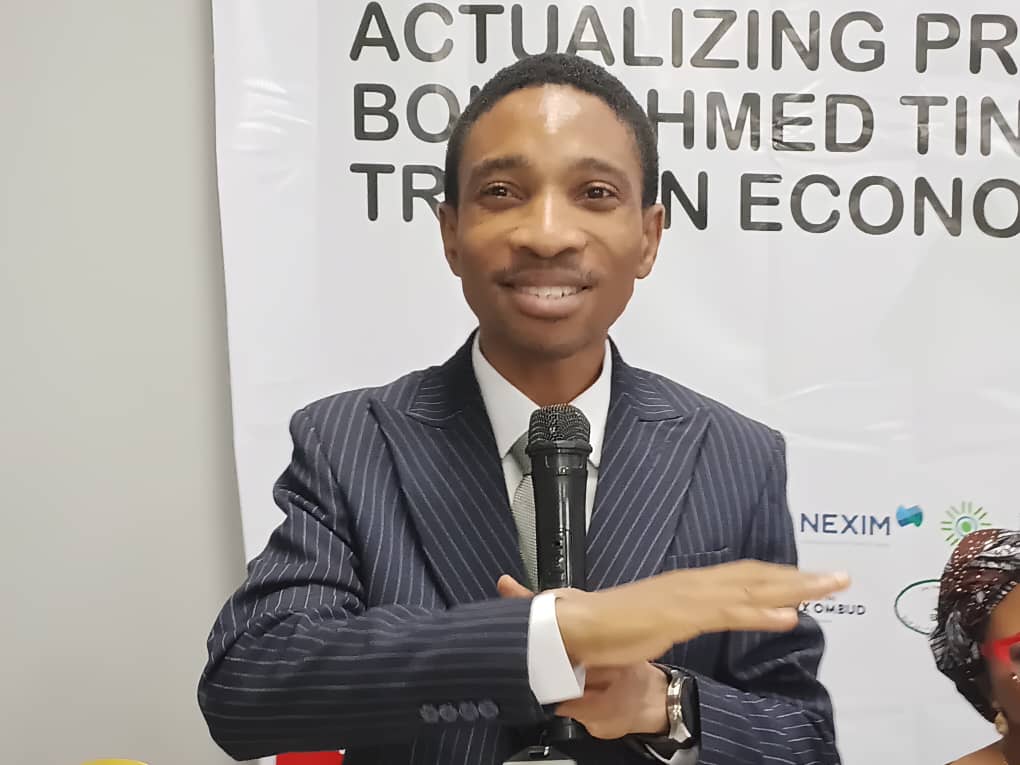


Vice President of the Nigeria Infrastructure Fund at the Nigeria Sovereign Investment Authority (NSIA), Abraham Durosawo, has emphasized that a diversified, “village” approach to infrastructure financing is essential for Nigeria to achieve its ambitious $1 trillion economy target.
Speaking at the 2025 Financial Correspondents Association of Nigeria (FICAN) Annual General Meeting, Durosawo—who represented NSIA Managing Director/CEO Aminu Umar-Sadiq—addressed the critical theme of “Actualising President Bola Ahmed Tinubu’s $1 Trillion Economy Agenda.”
Bridging the Infrastructure Gap
Durosawo highlighted the sheer scale of the challenge, noting that Nigeria requires an annual investment of $100 billion to $150 billion to close its current infrastructure deficit. He noted that the NSIA continues to play a pivotal role through the Presidential Infrastructure Development Fund (PIDF), ensuring that projects are executed to international standards.
”It takes a village to deliver this $1 trillion economy,” Durosawo stated, urging a shift in public perception regarding how projects are funded. He explained that the “universe of infrastructure” in Nigeria is currently powered by several distinct layers:
The PIDF: Managed by the NSIA in conjunction with the Federal Government.
Tax Credit Initiatives: Leveraging private sector resources for road construction in exchange for government tax benefits.
Private Capital: Independent financing within the financial ecosystem for specific projects.
State-Led Interventions: Projects funded and managed at the sub-national level.
Policy Reviews and Project Continuity
Addressing concerns regarding the status of certain road projects from previous administrations, Durosawo clarified that while some projects were subject to review due to fund control factors and policy updates, the ultimate goal remains value creation for the Nigerian people. He confirmed that a comprehensive review of the national infrastructure strategy is ongoing to ensure future implementations are both sustainable and efficient.
Powering the Future through REA Partnerships
On the subject of energy, Durosawo reaffirmed the NSIA’s commitment to renewable energy through its strategic partnership with the Rural Electrification Agency (REA).
”The core role we play is acting as a catalyst to attract capital,” he explained. The partnership aims to provide energy access to tens of millions of Nigerians currently off the grid, positioning renewable energy as a foundational pillar of the $1 trillion agenda.
A Call for Ecosystem Engagement
Durosawo concluded by encouraging the financial media and the public to engage more deeply with the “financial ecosystem” to understand the creative structures—such as those used by the Bureau of Public Enterprises (BPE) and the Infrastructure Concession Regulatory Commission (ICRC)—that are being deployed to solve Nigeria’s long-standing development hurdles.
