


An organisation under the auspices of De Group, in collaboration with the Igala Youths Council and other socio-cultural and political organisations in Kogi State, has rejected moves to sustain a 16-year tenure arrangement for any political zone in the state.
The groups described the alleged agenda as undemocratic and unacceptable, insisting that power rotation remains essential to ensuring equity, fairness and political inclusion across the state.
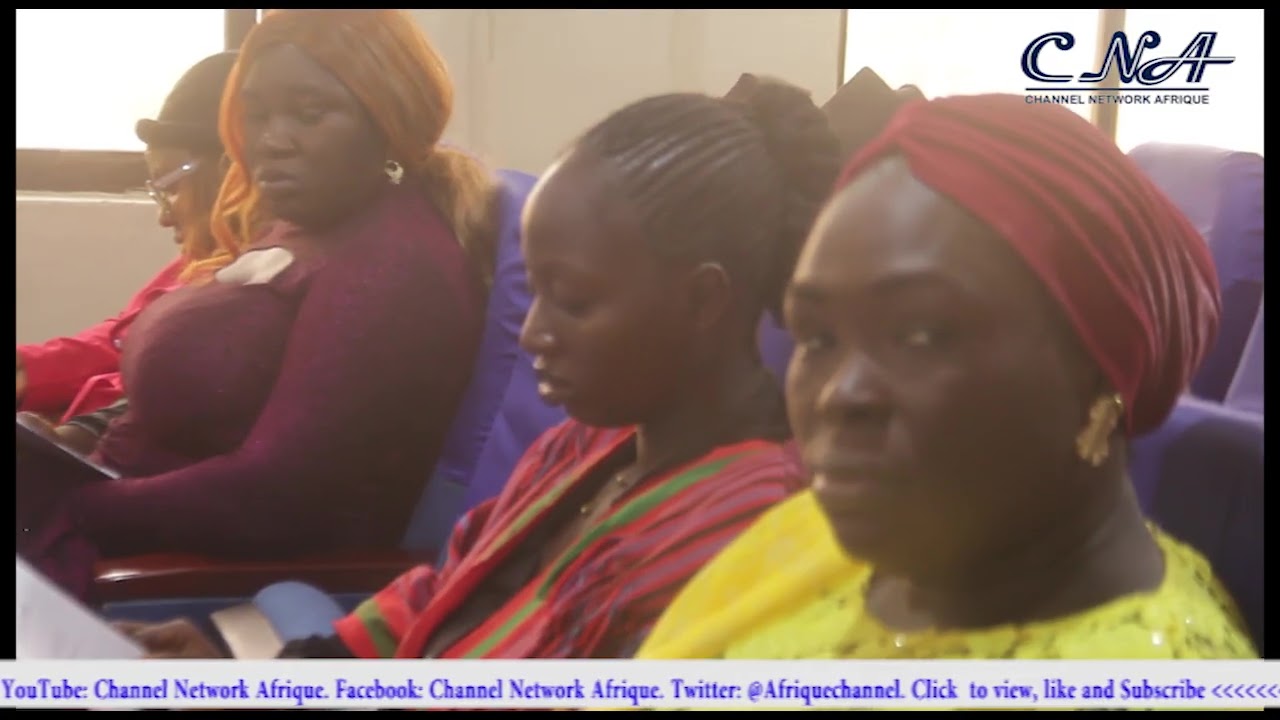
National President of the Igala Youths Council, Hon. Onogu Monday, who spoke on behalf of the coalition at a press conference in Abuja, alleged that efforts to extend political power to a particular zone were aimed at undermining the principle of power rotation.
He also expressed concern over what he described as the systematic victimisation of proponents of power rotation, alleging that the development was a deliberate attempt to silence influential voices from Kogi East and Kogi West.
Monday further questioned the management of the state’s financial resources, claiming that Kogi State received over ₦450 billion from the Federation Account Allocation Committee (FAAC) and internally generated revenue within 24 months, yet there had been no corresponding salary increment or significant improvement in rural road infrastructure.
He consequently called for an immediate investigation of former local government chairmen across the 21 local government areas of the state to ensure accountability for funds allocated to them during their respective tenures.
Other speakers at the press conference also called for an end to what they described as the victimisation of advocates of power rotation and the politics of exclusion in Kogi State.
The coalition urged President Bola Tinubu, the leadership of the National Assembly, the Independent National Electoral Commission (INEC), security agencies, civil society organisations and the international community to pay attention to what it described as a worrying political development in the state.
They maintained that equity, inclusiveness and adherence to democratic principles should guide political leadership and power-sharing arrangements in Kogi State.

