

The West African Power Pool (WAPP) North Core 330kV Interconnection Project, linking Benin, Burkina Faso, Niger, Nigeria and Togo, has achieved over 75 per cent completion, as participating countries and development partners intensify efforts to address implementation bottlenecks and ensure timely delivery of the regional power infrastructure.
The renewed push for accelerated completion featured prominently at the opening of the 8th Joint Supervision Mission of the Project’s Financing Partners, held in Abuja from October 26 to November 6, 2026.
The mission brought together participating countries, project officials and development partners to assess progress, examine outstanding challenges and agree on measures to fast track the remaining construction works.
Speaking on behalf of the Chairman of the WAPP Executive Board and Managing Director/Chief Executive Officer of the Transmission Company of Nigeria (TCN), Engr. Sule Ahmed Abdulaziz, the General Manager, Programme Coordination, TCN, Engr. Aminu Tahir, called for sustained cooperation, timely decision making and stronger commitment from all stakeholders as the project approaches its final implementation phase.
He said the over 75 per cent completion milestone reflected years of dedicated efforts by engineers, technicians, project personnel, participating governments and development partners.
He emphasised that the immediate priority was to complete outstanding construction works and ensure that the investment delivers reliable electricity infrastructure capable of strengthening regional power exchanges and improving electricity systems across participating countries.
In his address, the WAPP Secretary General, Mr Abdoulaye Dia, represented by the Director of Planning, Investment Programming and Environmental Safeguards (PIPES), Mr Kodjo Afidegnon, underscored the project’s strategic importance to electricity integration in West Africa.
He recalled that the project, launched in 2019, was conceived to strengthen electricity supply security, facilitate cross-border power exchanges and support the development of the regional electricity market.
However, he identified insecurity along sections of the project corridor, flooding, the COVID-19 pandemic, supply chain disruptions, difficult political circumstances and border closures as major factors that had slowed implementation.
According to him, these challenges resulted in construction delays, increased costs and the suspension of activities in some locations to protect project personnel.
Despite the setbacks, sustained cooperation among participating countries, national electricity utilities and financing partners has enabled the project to record significant progress across the corridor.
In Benin, the Malanville substation has been provisionally accepted, while work on the Niger River crossing is ongoing. In Burkina Faso, the Ouaga Est and Ouaga Sud-Est substations, alongside 33 kilometres of 225kV transmission lines connecting them to the network, have been commissioned.
In Niger, equipment installed at Niamey II and Gazaoua has been operational since July, supporting the stabilisation of the two existing 132kV interconnection lines supplying the country from Nigeria.
In Nigeria, work is ongoing to complete the 330kV transmission line and prepare for its connection to the national grid in coordination with relevant stakeholders.
The project has also recorded progress in its environmental and social commitments, with 5,726 project-affected persons compensated and almost all reported grievances resolved.
Additionally, 170 communities in Burkina Faso and Niger have been electrified, while 2,483 jobs have been created along the project corridor.
An African Development Bank (AfDB) representative stressed the need for a results oriented supervision mission that would identify practical solutions to implementation challenges, address security concerns and contractor performance issues, and protect the overall project completion schedule.
The representative cautioned that efforts to accelerate implementation must not compromise environmental and social safeguards, health and safety standards, or the protection of workers and host communities.
The Bank further warned that delays in any participating country could undermine the benefits of the entire regional interconnection, stressing that the completion of critical infrastructure in Niger was essential to realising the project’s full potential.
The AfDB reaffirmed its commitment to supporting participating countries, national electricity utilities and WAPP in addressing outstanding challenges and completing the project.
Upon completion, the WAPP North Core Project is expected to strengthen regional electricity interconnection, expand cross border power trade and enhance cooperation among participating countries, paving the way for a more integrated and reliable West African electricity market.
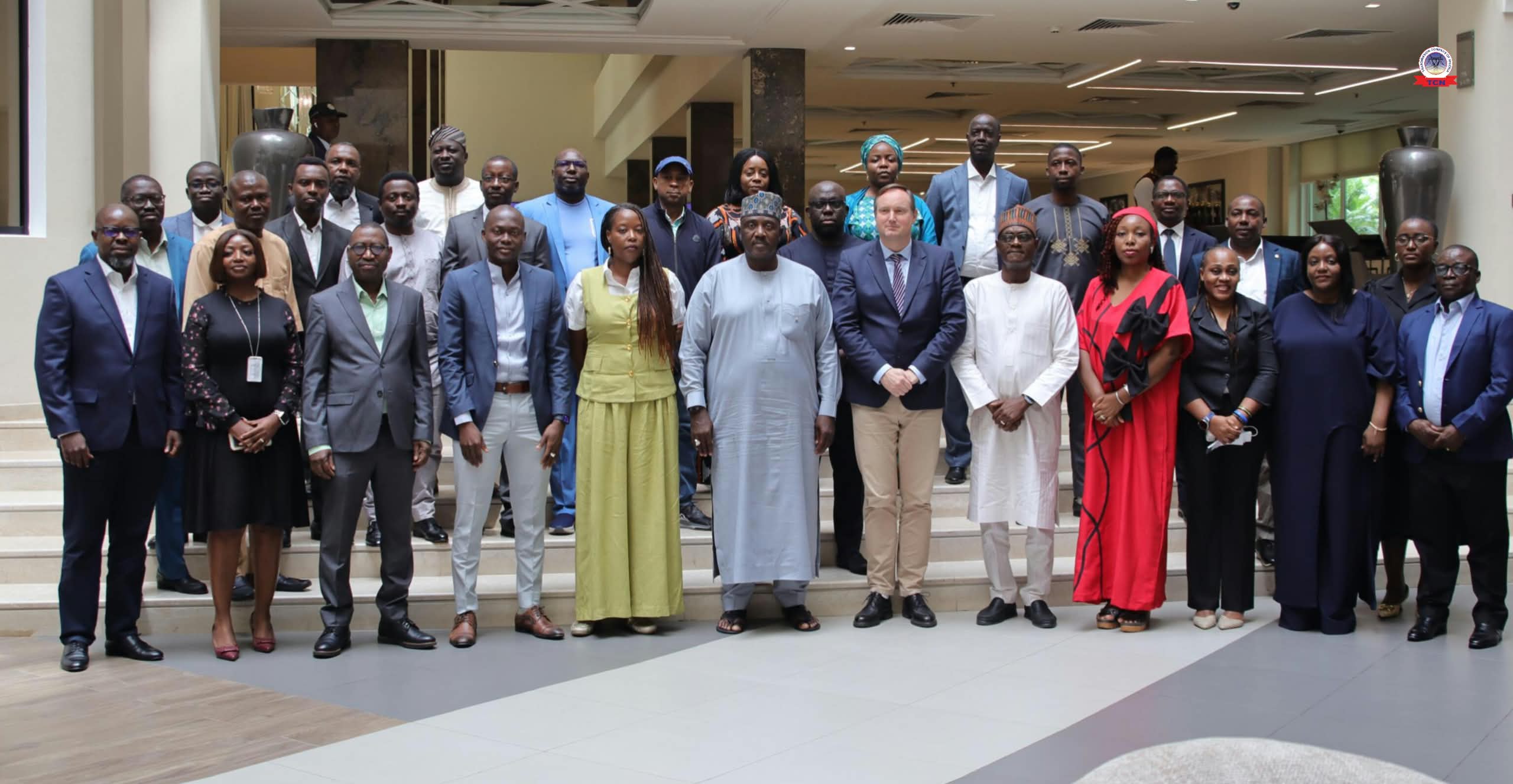
The meeting was attended by representatives of the African Development Bank, the World Bank, the WAPP North Core Project Management Unit, the Ministries of Energy and Finance of participating countries, and the national electricity utilities of Benin, Burkina Faso, Niger, Nigeria and Togo.

