


The Central Bank of Nigeria (CBN) just wrapped up its 305th Monetary Policy Committee (MPC) meeting. Instead of throwing any curveballs, Governor Olayemi Cardoso and his team decided to keep things steady.
Here is what that means for the economy, your wallet, and the country’s financial health in plain English:
1. No News is Good News for Interest Rates
The CBN decided to press the pause button. The benchmark interest rate (MPR) is staying right at 26.5%. They also left the Cash Reserve Requirement for commercial banks frozen at 45%. Basically, they are keeping a tight grip on the money supply to keep the economy from overheating, but without tightening the screws any further for now.
2. Global Tensions are Shaking Up Local Prices
You’ve probably noticed things got a bit pricier recently. Headline inflation crept up to 15.69% in April (from 15.38% in March). But the CBN says don’t blame domestic policy for this one—the blame lies with geopolitical tensions in the Middle East, which have messed up global shipping lanes and driven up energy costs worldwide.
3. Core Inflation is Actually Dropping
While food prices are still a headache (hitting 16.06%), there is a massive silver lining: core inflation (which strips out volatile things like food and energy) actually decreased to 15.86%. This is a huge win because it shows that, beneath the surface, the CBN’s long-term plan to stabilize the economy is quietly working.
4. The Economy is Flexing Its Muscles
Nigeria’s economy is showing some serious muscle. Real GDP grew by 4.07% in the final quarter of 2025. What’s driving it? A massive 6.79% surge in the oil sector—thanks to our boosted local refining capacity—and a solid 3.99% growth in everyday sectors like telecoms and transport.
5. A Massive Foreign Exchange “War Chest”
Nigeria has built up a serious financial cushion. As of mid-May 2026, our gross external reserves hit US$49.49 billion. To put that in perspective, that’s enough to cover more than 9 months of imports. This gives the central bank plenty of backup to keep the Naira stable.
6. The Banking Shakeup is Officially Over
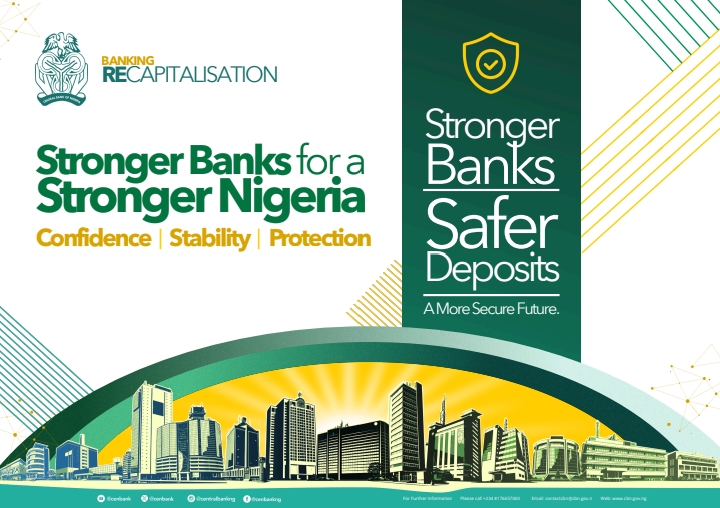
Remember all the talk about banks needing to raise more capital? That exercise is officially wrapped up. Nigeria is now left with 33 super-fortified, financially rock-solid banks. They are heavily reinforced and fully ready to fund major industrial projects and businesses.
7. The World is Noticing
The MPC gave a big nod to Nigeria’s recent sovereign credit rating upgrade. It’s essentially a global stamp of approval, proving that international investors and institutions are regaining serious trust in Nigeria’s economic reforms.
What’s Next?
The MPC is taking a breather to watch how these moves play out. They will gather for their next policy check-in on July 20 and 21, 2026.

