
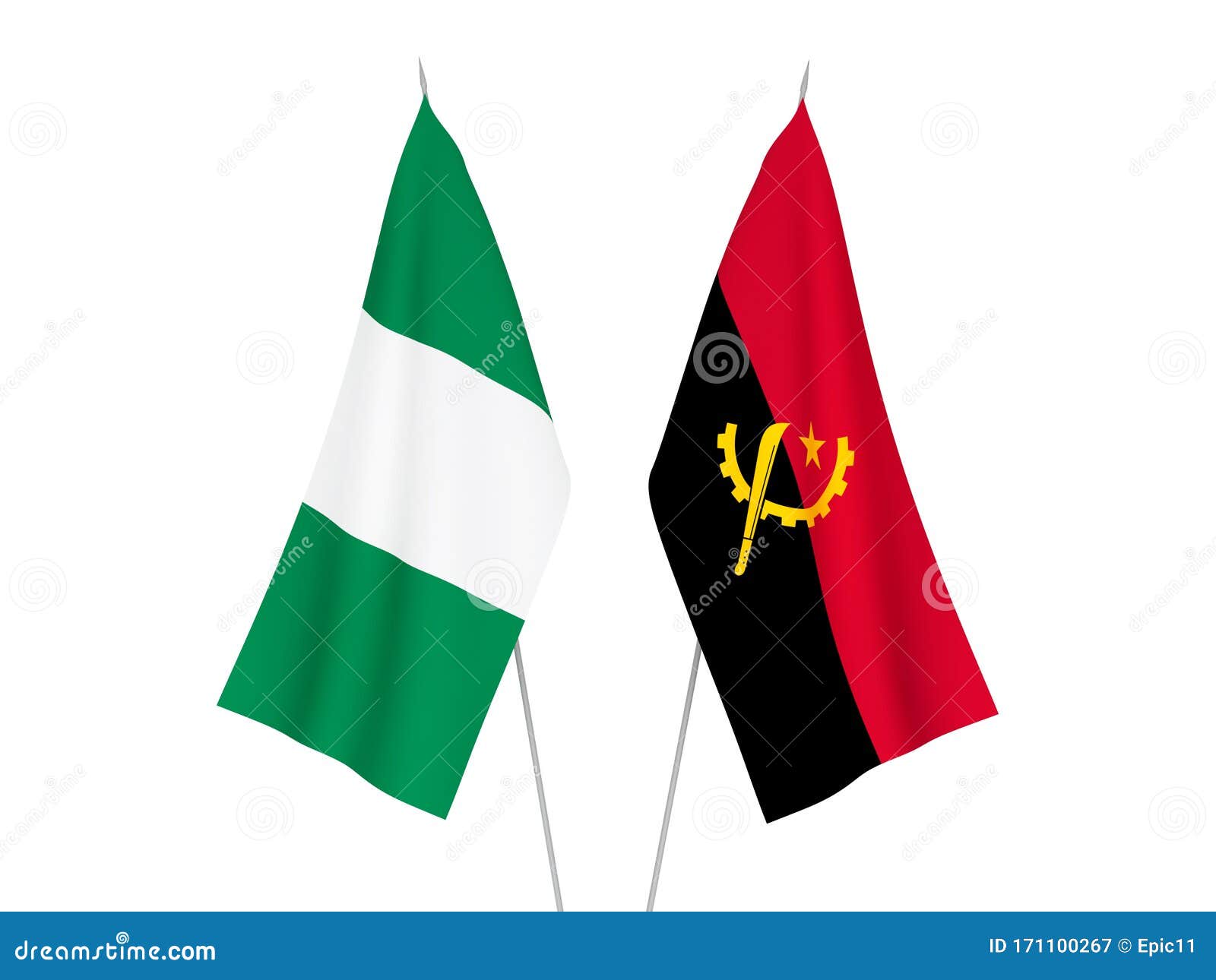

Nigeria and Angola have formally entered into an agreement to exempt holders of diplomatic and official passports from visa requirements, a move aimed at streamlining official travel and deepening cooperation between the two African nations.
According to a statement by the Spokesperson for the Ministry of Foreign Affairs, Kimiebi Imomotimi Ebienfa and made available to Channel Network Afrique, CNA News, the agreement was signed by Nigeria’s Minister of Foreign Affairs, Ambassador Yusuf Maitama Tuggar, and Angola’s Minister of International Relations, Ambassador Tete Antonio. The signing took place on the sidelines of the 39th Ordinary Session of the African Union (AU) Assembly of Heads of State and Government in Addis Ababa, Ethiopia.
Enhancing Official Mobility
Under the new protocol, government officials and diplomats from both countries can travel between Nigeria and Angola without the administrative hurdle of visa applications. Ambassador Tuggar described the initiative as “long overdue,” noting that it would foster a stronger “working chemistry” between the institutions of both nations.
”The visa exemption arrangement will facilitate smoother official exchanges, deepen institutional cooperation, and create broader opportunities for joint initiatives,” Tuggar stated.
Historical Foundations
The ceremony served as a reflection on the deep-rooted history between the two countries. Ambassador Tuggar recalled Nigeria’s pivotal role during Angola’s liberation struggle, specifically citing General Murtala Muhammed’s 1976 “Africa Has Come of Age” speech. That address signaled Nigeria’s firm support for the Popular Movement for the Liberation of Angola (MPLA) and underscored a foreign policy independent of external pressures.
Ambassador Antonio echoed these sentiments, expressing gratitude for Nigeria’s leadership as a “frontline state” supporter. He emphasized that the agreement is not merely procedural but a substantive reaffirmation of the trust and shared values established during the era of anti-colonial struggle.
Modernizing Diplomacy
Beyond its symbolic value, the agreement is expected to:
- Remove administrative barriers for authorized government personnel.
- Enhance policy coordination on regional and continental issues.
- Modernize the diplomatic partnership to reflect current bilateral needs.
The pact is anticipated to translate decades of historic goodwill into practical, sustained collaboration.

